Chimney Care With and Without a Fireplace
An unused chimney feels like something you can safely forget. It isn't. The weather doesn't care whether there's a fire below — it works on the masonry either way.
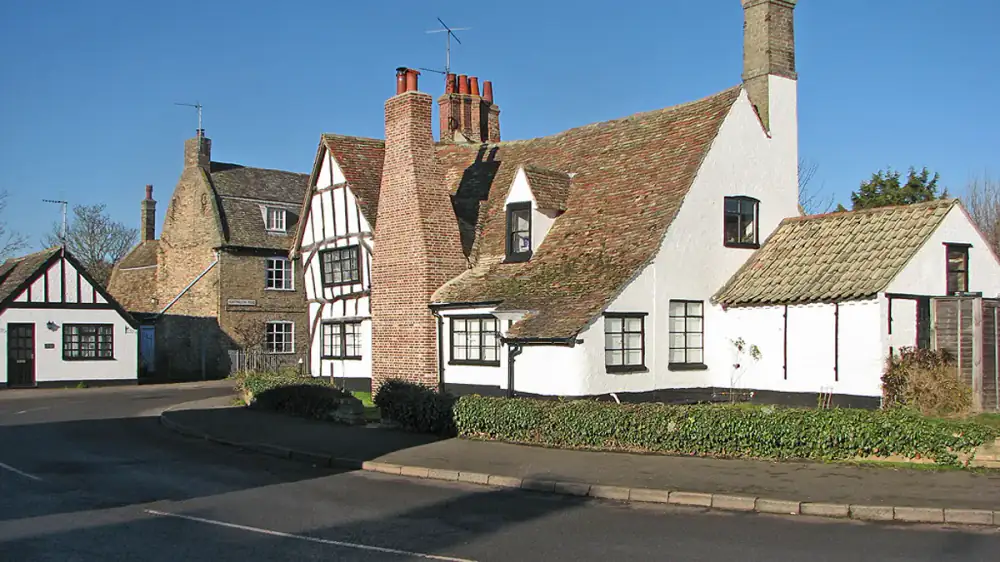
Every chimney needs exterior care, whether or not you ever light a fire. Weather attacks the crown, flashing, cap, and masonry the same way on an idle or decorative chimney as on an active one, so the water-entry side of maintenance is identical. What changes is the combustion side: an active fireplace adds concerns an unused chimney simply doesn't have — creosote in the flue, liner condition under heat, safe draft. An unused chimney sheds those but keeps all the masonry and water concerns. And putting a long-idle chimney back into service always warrants a professional inspection first.
The chimney on a house with no working fireplace occupies a strange mental category. It's clearly there — a substantial brick structure on the roof — but because nothing ever happens inside it, it's easy to file under "not my problem." That instinct is exactly backwards. An unused chimney is subject to nearly all the same forces as a used one, and being ignored is often the reason it fails.
The clean way to think about it: a chimney has two jobs, and they degrade separately. There's the combustion job — safely venting a fire — and the structural/weather job — being a sound, watertight piece of the building envelope. Whether you have a fireplace changes only the first. The second is the same for everybody.
The weather doesn't check whether you burn anything
Picture the chimney's situation for a moment. It stands at the highest and most exposed point of the house, punched through the roof, open to the sky, made largely of porous materials. Rain runs down it. Sun bakes one side. In cold climates, water soaks into the masonry and freezes, and freeze-thaw cycles pry it apart a fraction at a time. How weather ages a chimney covers this process in depth, and the crucial point for our purposes is that none of it depends on a fire below.
That means an unused chimney gets the identical roster of exterior problems as an active one:
- a crown that cracks and lets water into the masonry;
- flashing at the roof joint that lifts, rusts, and leaks;
- a cap that goes missing or fails, opening the flue to rain;
- masonry that spalls, loses mortar, and stains with efflorescence;
- and, given enough neglect, leaning or structural movement.
Any of these can leak water into the house or degrade the structure, and they do it just as readily above a cold, empty firebox as a warm one. An idle chimney that leaks through failed flashing damages the ceiling below exactly like an active one would. The house doesn't know the difference.
So the entire exterior half of chimney care applies unchanged. The ground-level watching, the periodic professional look at the crown and flashing, the attention after storms — all of it. If anything, unused chimneys are more at risk here, precisely because their owners assume there's nothing to watch.
What the fireplace actually adds
If the exterior is common ground, the fireplace is what separates the two cases. An active fireplace introduces a whole second set of concerns that live inside the flue and revolve around burning:
- Creosote buildup, the flammable residue combustion leaves on flue walls, which accumulates with use and needs periodic professional removal;
- liner condition under heat, since the liner is what protects the surrounding masonry and structure from combustion temperatures and byproducts;
- draft and venting, so smoke and gases go up and out safely rather than back into the room;
- and the general safety of everything involved in having fires in the house.
These are real, they're consequential, and they're all professional territory — the interior and combustion side of a chimney is not a DIY zone. Crucially, though, they're additive. Having a fireplace doesn't replace the exterior concerns; it stacks the combustion ones on top. An active chimney needs everything an unused one needs, plus this second category.
An unused chimney simply doesn't generate this list. No fire means no creosote, no heat on the liner, no draft to worry about. That's the one genuine advantage of an idle chimney: it sheds the combustion half of maintenance entirely. But it's the only half it sheds.
The decorative chimney
Some chimneys were never meant to burn anything — decorative features, or chimneys whose fireplaces were closed off long ago. It's tempting to treat these as pure ornament, but a decorative chimney is still brick, mortar, crown, flashing, and cap sitting in the weather. It can leak into the wall or ceiling below and deteriorate structurally exactly like a working one. The exterior care is identical; it just permanently skips the combustion side. The mistake to avoid is letting "decorative" slide into "invisible."
Capping and sealing an unused flue
A common move for an unused chimney is to cap or seal the flue to keep out rain and animals. This can genuinely help reduce water and pest entry, and it's often sensible. But it comes with two caveats worth stating plainly.
First, it doesn't end maintenance. The crown, flashing, cap, and masonry are all still exposed and still aging, and no cover changes that. As with rain caps generally, sealing a flue never makes the structure maintenance-free — nothing makes exposed masonry maintenance-free. Second, sealing off a flue poorly can trap moisture in new ways, creating problems while solving others. Because the trade-offs depend on the specific chimney, this is something to have assessed and done by a professional rather than improvised.
Bringing an idle chimney back to life
Here's the scenario that catches people out. You buy a house, or finally decide to use that long-dormant fireplace, and you're about to light the first fire in years. Stop and get it inspected first.
The reasoning follows directly from everything above. While the chimney sat idle, it was only ever being judged on its exterior — the visible, weather-facing half. The interior was irrelevant because nothing was using it. The moment you put it back into service, the interior becomes critically important: the liner may have deteriorated, masonry inside may have cracked, blockages or nests may have formed, all of it invisible from the ground. The chimney problems you can see vs. the ones you can't explains why none of that shows from outside, and what a chimney inspection actually covers describes the assessment you'd want before that first fire. Reactivating an idle chimney without an inspection is exactly the wrong place to save money.
What this means for how you watch it
Practically, the takeaway is simple and slightly counterintuitive: watch an unused chimney just as closely as a used one. The ground-level routine in how to spot chimney problems from the ground applies without modification — a decorative chimney's crown cracks and flashing lifts on the same schedule as anyone's. Fold it into your seasonal chimney inspection rhythm and don't let the absence of a fire lull you into skipping it.
The one thing that changes with a fireplace isn't whether you care for the chimney — it's how much there is to care for. An active chimney carries a second, combustion-related burden that an idle one is spared. But the exterior, the water, the masonry, the structure standing in the weather: those belong to every chimney equally, fire or no fire. And all of it, used or unused, hands off the same way — you watch from the ground, a professional does the roof-level work.
Questions homeowners ask
Does an unused chimney really need maintenance?
Yes. A chimney is a masonry structure standing at the highest, most exposed point of the house, and weather works on it whether or not there's ever a fire underneath. Rain, freeze-thaw cycles, and sun deteriorate the crown, flashing, cap, and mortar on an idle chimney exactly as they do an active one. What an unused chimney doesn't need is combustion-related care like creosote removal — but the entire exterior, water-entry side still applies.
What's the difference in care between a used and unused chimney?
The exterior care is essentially the same, because both face the same weather. The difference is on the interior and combustion side. An active fireplace adds concerns an idle chimney doesn't have: creosote buildup in the flue, the condition of the liner under heat, proper draft, and the safety of everything that comes with burning. An unused chimney sheds those combustion concerns but keeps every one of the water and masonry concerns.
Can I just cap or seal off a chimney I never use and forget it?
Capping or sealing an unused flue can reduce water and animal entry, but it doesn't end maintenance. The crown, flashing, and masonry are still exposed and still age, and a sealed-off chimney can actually trap moisture in new ways if it's done poorly. It's a step that can help, not a way to make the structure maintenance-free — nothing makes exposed masonry maintenance-free. Have any sealing-off done and assessed by a professional.
I want to start using a fireplace that's been idle for years. What now?
Get it professionally inspected before you light anything. A chimney that's sat unused for years can have a deteriorated liner, hidden masonry damage, blockages, or nests, none of which are visible from below. An idle chimney was only being judged on its exterior; putting it back into service means the interior and combustion safety suddenly matter enormously. That's a full professional assessment, not a DIY check.
Does a decorative-only chimney need the same exterior checks?
Yes, on the exterior. A purely decorative chimney with no working fireplace is still brick, mortar, crown, flashing, and cap exposed to the weather, and it can still leak into the house and deteriorate structurally. The ground-level watching and the exterior professional care are identical to any other chimney. It just skips the combustion side, because there's nothing being burned.
When should I call a professional for an unused chimney?
Call a qualified chimney professional if a ground-level check turns up crown cracks, lifted flashing, spalling brick, leaning, or interior stains, or before you put an idle chimney back into use. Idle doesn't mean immune — an unused chimney can leak and deteriorate silently, and everything that fixes it is roof-level masonry work. Your role is the same as with any chimney: watch from the ground and hand the repairs to a professional.
More from this section
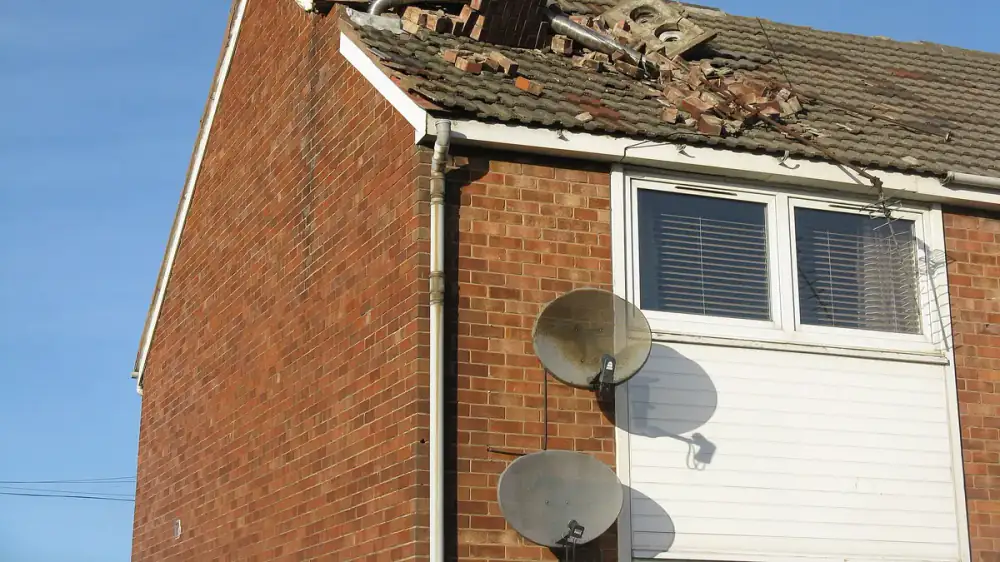
Chimney Storm Damage: What to Check
Storms dislodge caps, crack crowns, and lift flashing. Here's a ground-level, post-storm chimney check — what to look for, what to do, and when to call a pro.
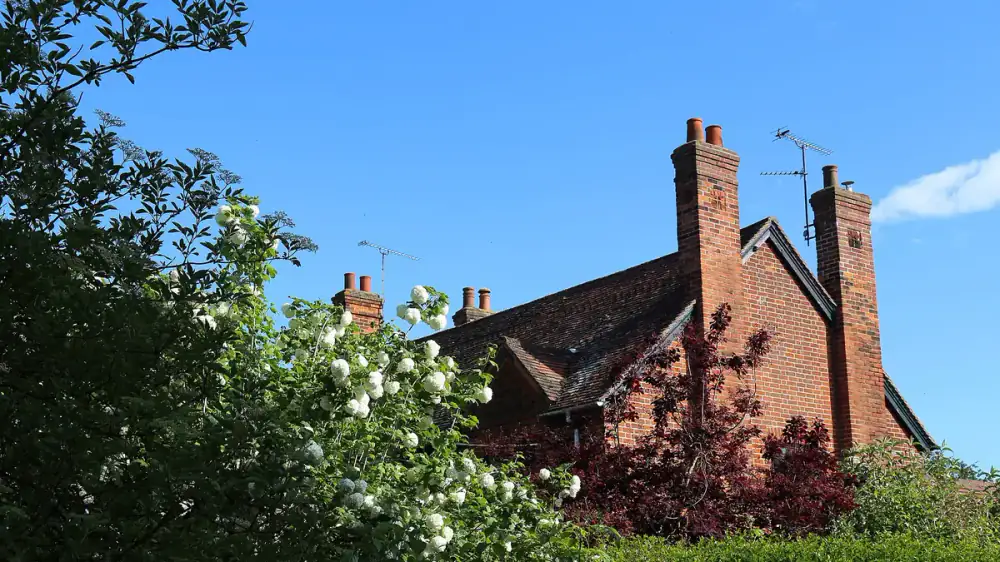
Seasonal Chimney Inspection From the Ground
A short binocular check each season catches most chimney trouble early. Here's what to look for from the ground, a simple cadence, and when to book a pro sweep.
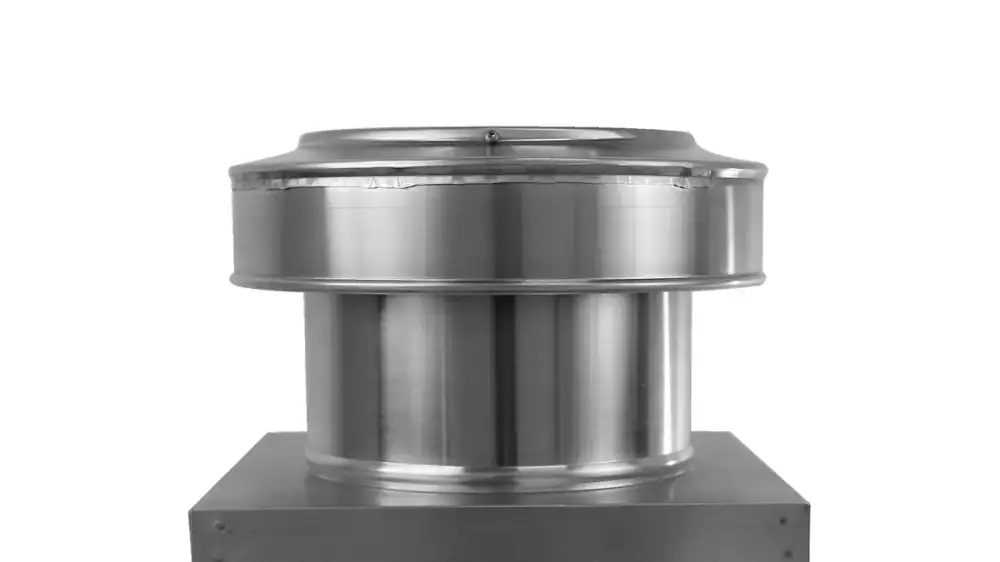
Roof Vents and Vent Covers Explained
Roof vents let the attic breathe, and their covers keep weather out while air keeps moving. Here are the common types, what covers do, and how to spot damage safely.