Chimney Crown vs. Chase Cover vs. Cap: The Three Parts People Confuse
Three different lids sit at the top of a chimney, and homeowners mix them up constantly. Which one you have depends on how the chimney is built — and getting the names right changes what you look for.
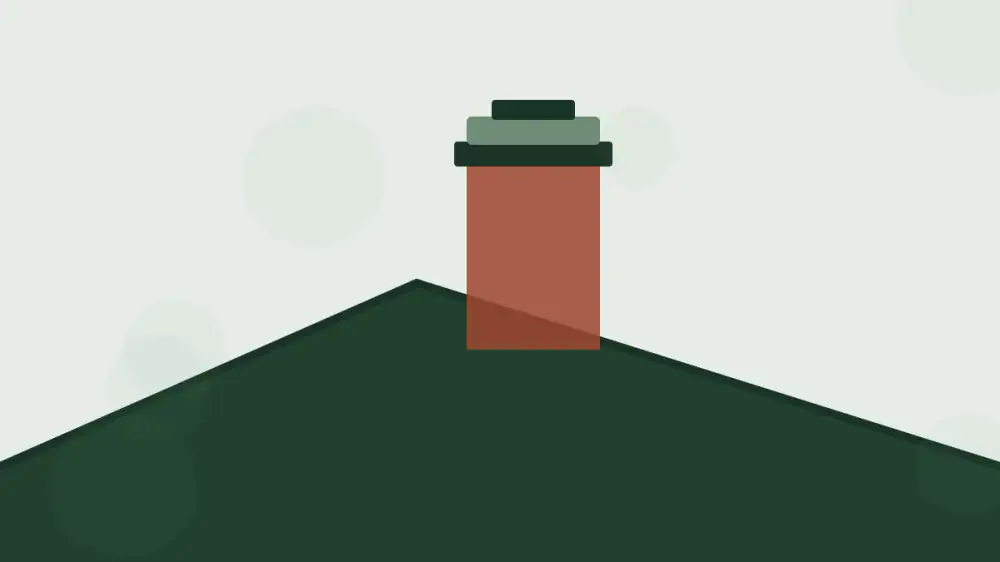
The crown is the sloped masonry slab that tops a brick or stone chimney. The chase cover is the flat metal lid that tops a framed, sided chimney enclosure. The cap is the small metal-and-mesh cover over the flue opening, and nearly every chimney should have one. Crown and chase cover are alternatives — which you have depends on how the chimney is built — while the cap sits above whichever one you've got.
Ask three neighbors what's on top of their chimneys and you'll likely get the same word from all three — "the cap" — even though they may be describing three genuinely different parts. The vocabulary has gone soft. In casual talk, in real-estate listings, and sometimes even in repair quotes, crown, chase cover, and cap get swapped around as if they were synonyms. They aren't, and the muddle has consequences: people buy the wrong replacement, misjudge how big a repair is, or describe a leak so loosely that nobody can act on it.
There's a clean trick for keeping the three straight, and it starts not with the parts themselves but with the chimney holding them up.
Two kinds of chimney, two kinds of lid
Almost every residential chimney falls into one of two construction camps, and that single fact settles two of the three names for you.
The first is the masonry chimney: brick, block, or stone stacked solid from the roofline up. It's heavy, site-built, and unmistakable once you know to look. The top of that solid mass is closed off by a crown — a slab of concrete or mortar poured across the masonry and sloped so rain sheds off, with the flue tiles poking up through the middle. In plain terms, the crown is masonry protecting masonry.
The second is the framed chase, and it fools people because from a distance it can look just like the first. Rather than solid brick, it's a hollow wooden box — framed like an ordinary wall and then clad in siding, stucco, or a thin brick veneer. Its reason for existing is to enclose a factory-built firebox and its metal flue. Since the top of that box is open framing, not a solid slab, it gets a chase cover: a flat sheet of metal that lids the whole opening, with holes cut where the flue pipes come through.
Notice that the crown and the chase cover are answering the very same question — what closes off the top of the structure? — for two different kinds of chimney. You'll have one or the other, essentially never both on the same shaft. When the construction type isn't obvious, the giveaways turn up in more than one place; how chimney care differs between brick and stone digs into the masonry side.
The cap is the odd one out
Here's the part that dissolves most of the confusion: the cap doesn't belong to either camp. It belongs to both.
Crown or chase cover, there is still an open flue running down the center of the chimney — the actual channel the smoke climbs. That opening needs its own separate cover, and that cover is the cap: a compact metal hood, solid on top with mesh around the sides, that seats over the mouth of the flue. The solid top throws off rain; the mesh keeps out birds, squirrels, leaves, and drifting embers while still letting smoke pass. The design is the same idea whether the chimney beneath it is brick or a sided box, which is why chimney caps protect against rain and debris on either type.
Stacked from the sky down, then, the top of a chimney reads like this:
- Cap — over the flue opening, on any chimney.
- Crown or chase cover — closing the top of the structure, depending on how it's built.
- The chimney body — solid masonry, or a framed chase.
The cap and the crown-or-cover sit right against each other, which is exactly why they get mistaken for one thing from sixty feet below. They're two parts, two jobs, two very different repairs.
Follow the water to tell them apart
If the names still blur, imagine each part failing and ask where the water would go. That thought experiment separates them cleanly.
Lose the cap, and rain drops straight down the open flue. It lands inside, wets the liner, and eventually announces itself as a stain or a stale odor near the fireplace.
Crack the crown, and water stops shedding off the top of the masonry and starts soaking into the brick and mortar underneath. From there it wicks sideways, freezes, expands, and widens its own path — and it's a classic origin of the chalky white bloom that shows up on the sides, which a white stain on your chimney unpacks.
Let a chase cover rust through, or find one that was never sloped to drain, and water ponds on the flat metal, works into the seams and screw holes, and runs down inside the hollow chase where nobody can see it. That's the sneaky one — a quiet leak that can rot framing for a long while before anything reaches a ceiling. The dedicated pieces on what a chimney chase cover is and what a chimney crown is trace how each of those failures develops.
| Part | Found on | Made of | What it protects |
|---|---|---|---|
| Cap | Any chimney | Metal and mesh | The flue opening |
| Crown | Masonry chimneys | Concrete or mortar | The top of the masonry |
| Chase cover | Framed chases | Sheet metal | The top of the enclosure |
Why the right word saves you money
None of this is fussiness for its own sake. Because the three parts fail in different ways and cost wildly different amounts to fix, the word you reach for shapes the entire conversation with a professional — and, sometimes, the accuracy of the bill.
Tell someone your "cap" is cracked and they may picture a quick mesh swap when what you actually have is a crumbling concrete crown that needs resurfacing. Say your "crown" is rusting and you've stumped a mason, because concrete doesn't rust — you almost certainly mean a steel chase cover. A quote built on the wrong part is a quote for the wrong job, and you may not catch it until the crew arrives.
The vocabulary sharpens your own eye, too. Once you know a chase cover is flat sheet metal, rust streaks bleeding down the siding suddenly read as a specific symptom rather than random staining. Once you know a crown is sloped concrete, a chunk gone from its edge registers as a real breach instead of cosmetic wear.
Reading the top without leaving the yard
You don't have to climb to sort any of this out. From the ground, or an upstairs window with binoculars, you can settle the type and catch the obvious trouble:
- Is the shaft solid masonry (look for a crown) or a clad box (look for a chase cover)?
- Is there a cap over the flue, and does it sit square, whole, and free of rust?
- On a masonry chimney, are the crown's edges cracked, crumbling, or missing pieces?
- On a framed chase, is the metal cover rusting, streaking the siding below it, or holding a puddle?
What binoculars can't resolve is the fine print — hairline crown cracks, whether a chase cover actually slopes, the state of the flue inside. Those are horizontal, rooftop surfaces, and the only way to assess or repair them is to be up at the top of the chimney. That's a place for someone with the right footing and equipment, not a homeowner with a ladder. Your half of the job is naming what you have and flagging what looks off; the work up top belongs to a qualified chimney professional, and because the crown and cover are surfaces you can't properly see from below, a periodic professional inspection is the only dependable way to learn their true condition.
Frequently asked questions
Does my chimney have a crown or a chase cover?
It comes down to how the chimney is built. A solid masonry chimney — brick or stone all the way up — is topped by a crown, a sloped concrete or mortar slab. A framed enclosure wrapped in siding over a factory firebox is topped by a chase cover, a flat metal lid. If the whole shaft is masonry, look for a crown; if it's a boxy sided column, look for a chase cover.
Is a chimney cap the same as a crown?
No. The cap is the small metal-and-mesh cover over the flue opening; the crown is the large masonry slab beneath it that forms the top of the chimney. They stack on top of each other but do different jobs — the cap protects the flue, the crown protects the masonry. A chimney can have both, and often does.
Can one chimney have all three?
Not usually all three at once, because the crown and the chase cover are alternatives — you get one or the other depending on construction. But almost any chimney can and should have a cap over the flue. So the common pairings are crown plus cap, or chase cover plus cap.
Why does it matter what I call them?
Because they fail differently and get repaired differently. A cracked crown is a masonry repair; a rusted chase cover is a metal replacement; a torn cap is a small swap-out. Describe the wrong part to a professional and you can get a quote for the wrong work. Knowing the terms helps you report what you actually see.
Which of the three fails first?
There's no fixed order. Thin galvanized chase covers are notorious for rusting through, crowns crack from freeze-thaw and age, and caps rust or lose their mesh. All three sit in the worst weather on the house, so all three wear out — which is why a ground-level look at the whole top matters more than watching any single part.
Related guides
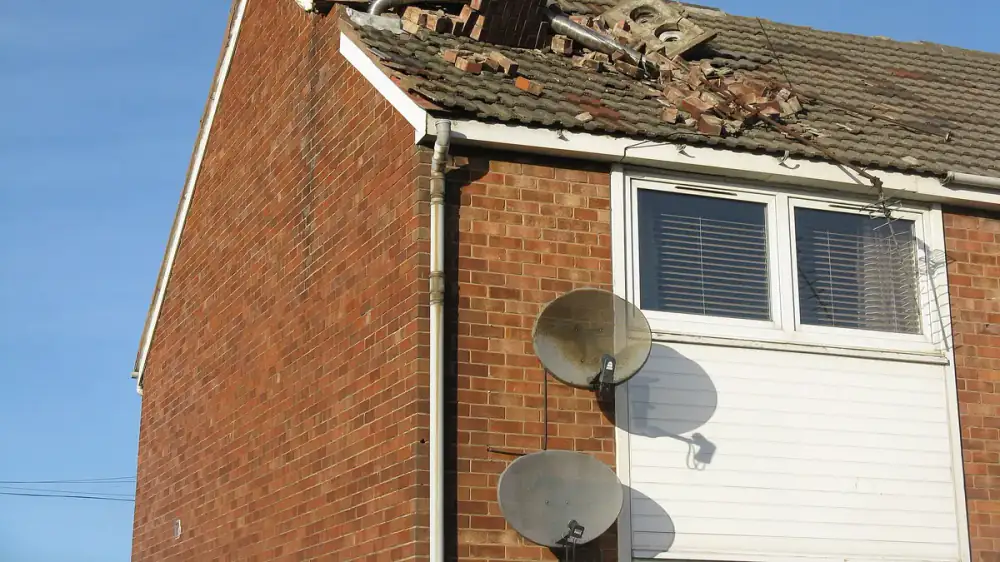
Chimney Storm Damage: What to Check
Storms dislodge caps, crack crowns, and lift flashing. Here's a ground-level, post-storm chimney check — what to look for, what to do, and when to call a pro.
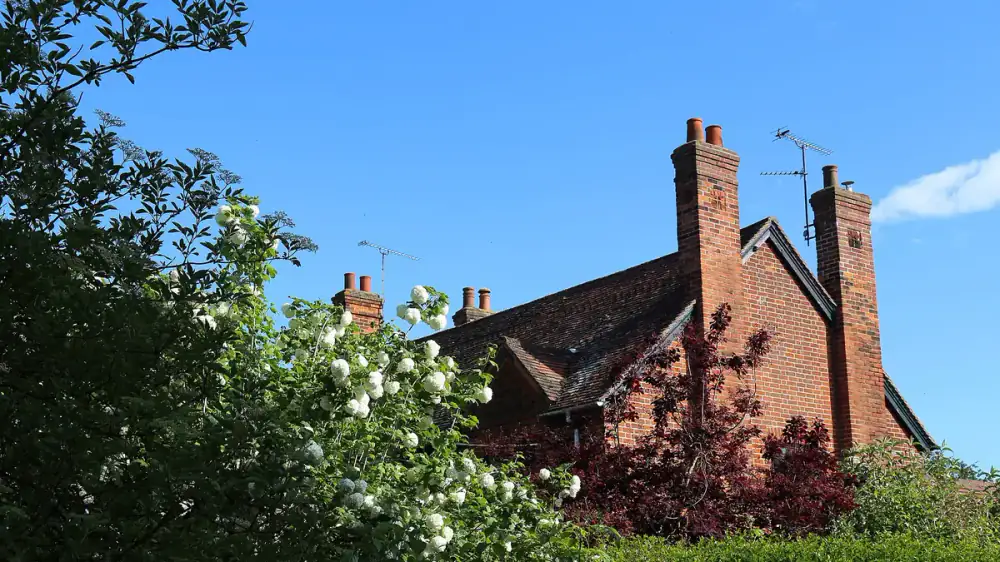
Seasonal Chimney Inspection From the Ground
A short binocular check each season catches most chimney trouble early. Here's what to look for from the ground, a simple cadence, and when to book a pro sweep.
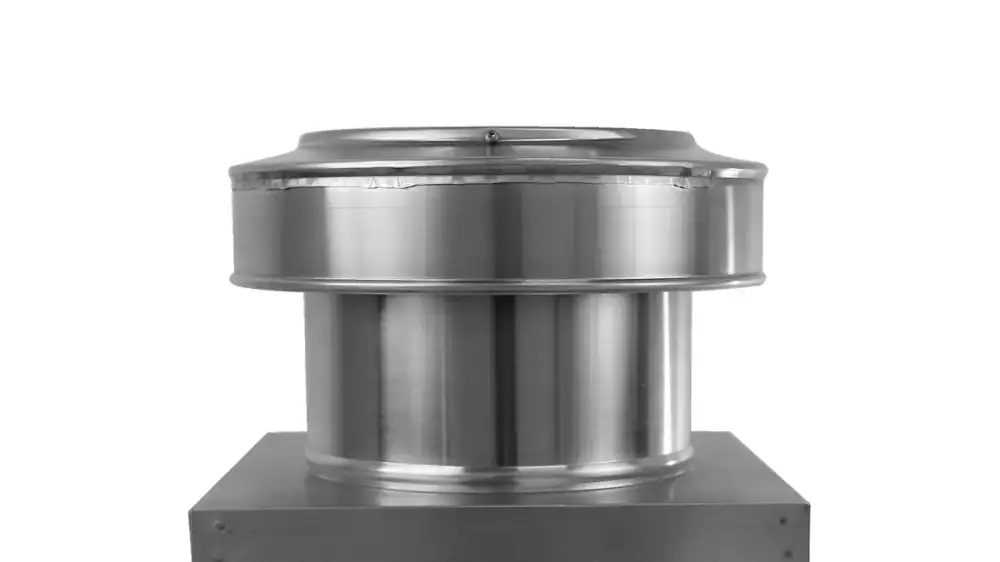
Roof Vents and Vent Covers Explained
Roof vents let the attic breathe, and their covers keep weather out while air keeps moving. Here are the common types, what covers do, and how to spot damage safely.