Chimney Pots Explained: What They Are and What They Do
A chimney pot is the clay or metal cylinder that sits at the very top of the flue. Here's what it does, why older homes have them, and how to read their condition from the ground.
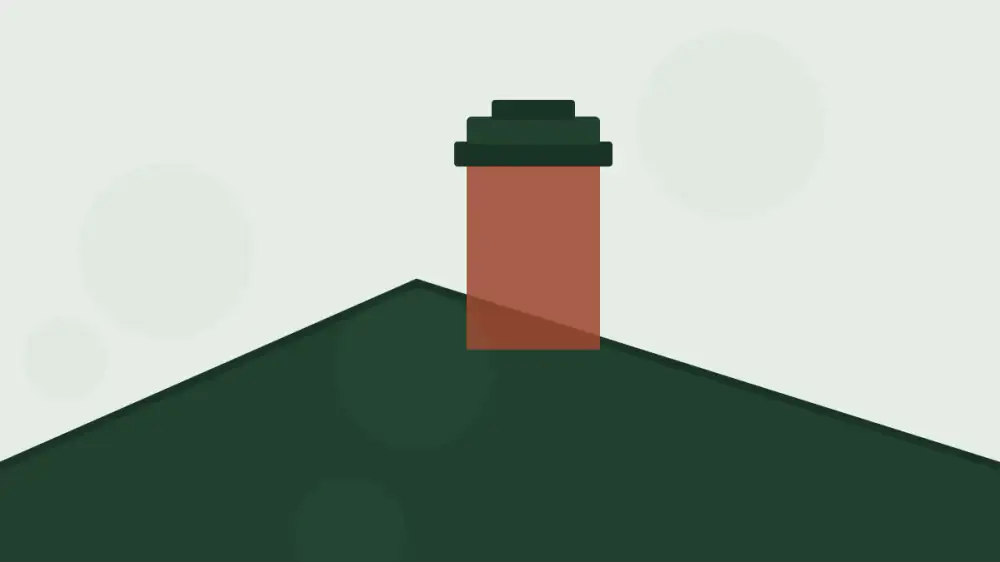
A chimney pot is the clay or metal cylinder that sits at the very top of the flue. It extends the flue upward, helps the chimney draw, and gives the opening a weather-resistant finish. Common on older masonry homes, pots can crack or loosen over time — so a periodic look with binoculars from the ground helps you catch problems, while any repair belongs to a professional.
Drive through an older neighborhood and look up, and the skyline over the roofs is dotted with them: rows of clay tubes standing at the tops of chimneys like miniature chimneys of their own. Those are chimney pots, and they're among the most recognizable pieces of exterior masonry going — and also among the most misread. Plenty of homeowners assume they're pure ornament, or confuse them with the cap, or never think about them until one starts letting water in. Here's what a pot actually is, what it's quietly doing up there, and how to keep an eye on it without ever leaving solid ground.
The tube at the top
A chimney pot is a hollow cylinder that sits on the top of the chimney and carries the flue a little higher. The traditional ones are fired clay or terracotta, though metal versions turn up too, and they come in a real range of shapes and heights — plain straight tubes on some homes, tapered or openly decorative forms on others.
Where the pot sits matters for understanding it. It rests on the crown — the sloped masonry surface capping the chimney — and lines up over the flue opening beneath. It's bedded in mortar so it stays put and so water sheds away from the joint rather than seeping into it. That mortar bed, as it happens, is where a lot of pots eventually get into trouble.
More work than it looks
The temptation is to file the pot under decoration and move on. That undersells it. A pot earns its place through a few practical jobs, and only the last of them is about looks:
- Extending the flue. Lifting the opening a bit higher helps smoke and gases clear the crown and the structure immediately around it.
- Helping the draft. By raising and sometimes narrowing the outlet, a pot can encourage a steadier upward pull of air — the pull that actually carries smoke out of the house.
- Finishing the opening. The pot gives the top of the flue a clean, weather-resistant edge instead of leaving an exposed masonry rim to take the weather bare.
- Adding character. On many traditional homes the pot is a deliberate part of how the roofline reads, and some ornate designs are valued for exactly that.
So a damaged pot isn't merely an eyesore; it can be a functional problem too, which is a distinction worth keeping in mind when one starts to look rough. To see how the pot sits with the rest of the chimney top, it helps to know what a chimney crown is and how the crown sheds water off the structure below the pot.
Pot, cap, crown: three parts, not one
The pot gets confused with the cap constantly, and now and then with the crown, so it's worth pinning down the difference. They're three separate parts with three separate jobs.
| Part | What it is | Main job |
|---|---|---|
| Chimney pot | A clay or metal tube atop the flue | Extends the flue and helps draft |
| Chimney cap | A metal cover with mesh sides | Keeps out rain, animals, and debris |
| Crown | Sloped masonry at the chimney top | Sheds water off the structure |
The key thing is that a pot and a cap aren't rivals — in fact some pots are fitted with a cap that seats on or inside them. To see how the cover half of that works, read how chimney caps protect against rain and debris. A cap keeps debris and animals out, but it never retires the pot or the masonry beneath it; those still need a periodic look. A new cap, likewise, will not fix a cracked pot, and a sound pot doesn't remove the need for a cover over the opening.
The moisture story
Because it stands at the highest, most exposed point of the whole house, the pot absorbs the full brunt of rain, wind, and freeze-thaw cycling. That exposure cuts both ways. A pot that's sound and well bedded channels water away from the flue and the crown joint, doing exactly its job. A pot that has cracked or worked loose turns that same joint into an entry point.
Water that gets past a failing pot soaks into the masonry below and can travel down inside the chimney. Given time, it resurfaces as staining, a musty smell indoors, or the chalky white deposit known as efflorescence. If that mineral residue is what you're seeing, efflorescence on a chimney explains where it comes from. And a small crack is the moment to act: hairline fractures in terracotta tend to widen with every freeze-thaw cycle, so an early look often catches trouble while it's still minor and cheap to address.
What binoculars will show you
You can size up a pot's condition from the ground with a decent pair of binoculars, and that's genuinely the right way to do it. From the yard or an upstairs window, look for:
- Cracks or chips running down the side of the pot or around its rim.
- Missing chunks or flaking clay, a sign of spalling from moisture and frost.
- A lean or wobble — a pot no longer sitting straight may have a failing mortar bed.
- Dark staining or streaking on the pot or the masonry just beneath it.
- Plant growth sprouting at the base, which means debris and moisture are collecting there.
Then step inside and stay alert to the indoor tells: a musty smell near the fireplace, water stains on the chimney wall, or a fireplace that suddenly seems to draw poorly. Any of those can trace back to a compromised pot even when the exterior view looked fine.
The one thing not to do is climb up for a closer look. The top of the chimney is the least forgiving spot on the house — the highest and least stable point there is — and the pots themselves are heavy and fragile besides. Ground-level checks with binoculars are the safe way for a homeowner to keep watch, full stop.
Handing it off
When a ground-level look turns up a crack, a missing piece, a leaning pot, staining, or any sign of moisture indoors, that's the point to bring in a qualified chimney or masonry professional. Setting, re-bedding, or replacing a pot is skilled roof-level work involving heavy, brittle material at the very top of the house, and bedding a new pot so it stays put and sheds water correctly is not a casual task. The division stays the same as with the rest of the chimney: you spot the warning signs early from the ground, and the work up top goes to someone equipped for it.
For a repeatable way to keep watch, see how to spot chimney problems from the ground, and build a pot check into your routine with the exterior chimney maintenance checklist.
Questions people also ask
What is a chimney pot for?
A chimney pot is the cylinder atop the flue that extends it upward a little. By raising and sometimes narrowing the opening, it can help the chimney draw more steadily and lift smoke clear of the crown. It also gives the top of the flue a finished, weather-resistant edge. On many older homes the pot is both a working and a decorative feature.
Do all chimneys have pots?
No. Chimney pots are most common on older masonry homes, especially those built in traditional styles. Many newer chimneys terminate at the crown with a flue liner and a cap instead of a raised clay pot. Whether a chimney has one depends on its age, region, and construction. Both approaches work well when they are sound and properly maintained.
Can a chimney pot crack?
Yes. Most traditional pots are terracotta or fired clay, which can crack from age, freeze-thaw cycles, or impact. A cracked or spalling pot can let water into the masonry below and, in some cases, loosen pieces that may fall. Hairline cracks and chips are often visible with binoculars from the ground, which is why a periodic look is worthwhile.
Does a chimney pot need a cap?
A pot and a cap do different jobs. The pot raises and finishes the flue opening; a cap covers that opening to keep out rain, animals, and debris. Some pots are fitted with a cap that sits on or inside them; others are left open. If you're unsure whether your pot has suitable coverage, a professional can advise during an inspection.
How can I tell if my chimney pot is in bad shape?
From the ground or an upstairs window, use binoculars to look for cracks, missing chunks, a leaning or loose pot, dark staining, or plant growth around the base. Indoors, a musty smell or water stains near the fireplace can point to moisture getting past a failing pot. Any of these is a reason to book a professional inspection rather than climbing up to look.
Can I replace a chimney pot myself?
No. Removing and setting a chimney pot is roof-level work at the highest and least stable point of the house, and the pots themselves are heavy and fragile. Bedding a new one correctly so it stays put and sheds water is a skilled task. Spotting a problem is a homeowner job; the replacement should always go to a qualified chimney or masonry professional.
Are chimney pots just decorative?
Not entirely. Many pots add character to a roofline, and some ornate designs are prized for their looks. But the pot also has a working role: extending the flue, helping with draft, and protecting the top of the masonry. A pot can be both attractive and functional, which is part of why they've stayed in use on traditional homes.
Related reading
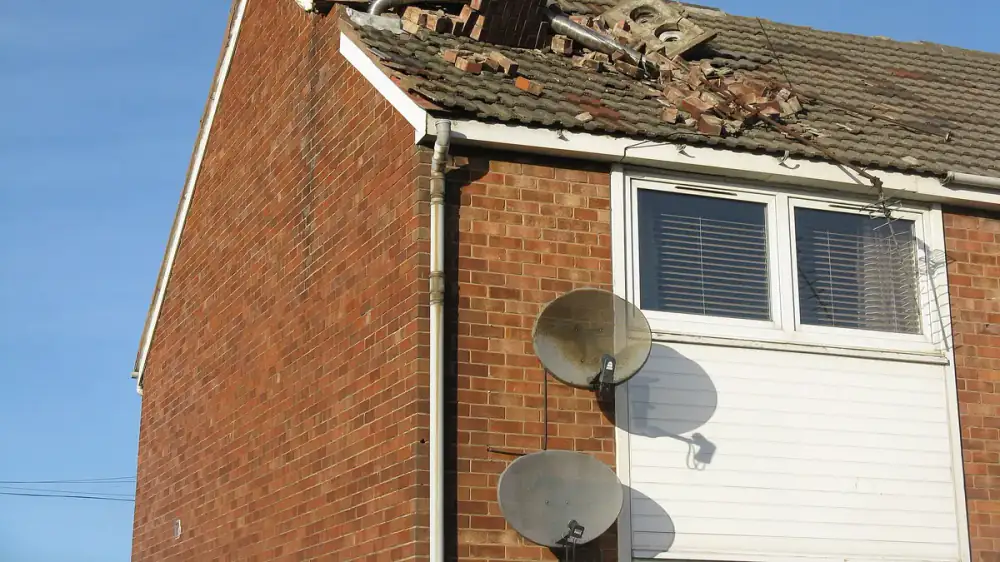
Chimney Storm Damage: What to Check
Storms dislodge caps, crack crowns, and lift flashing. Here's a ground-level, post-storm chimney check — what to look for, what to do, and when to call a pro.
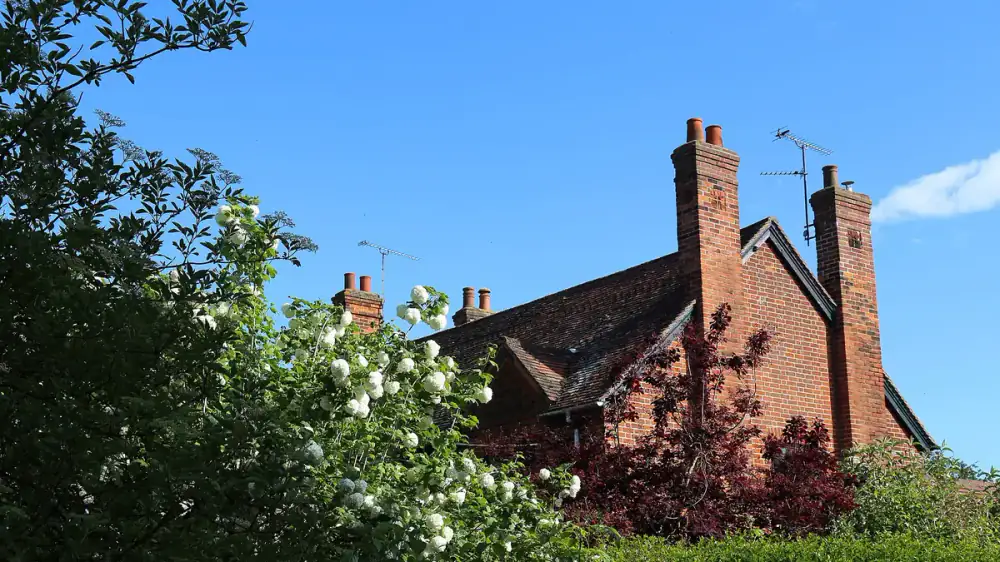
Seasonal Chimney Inspection From the Ground
A short binocular check each season catches most chimney trouble early. Here's what to look for from the ground, a simple cadence, and when to book a pro sweep.
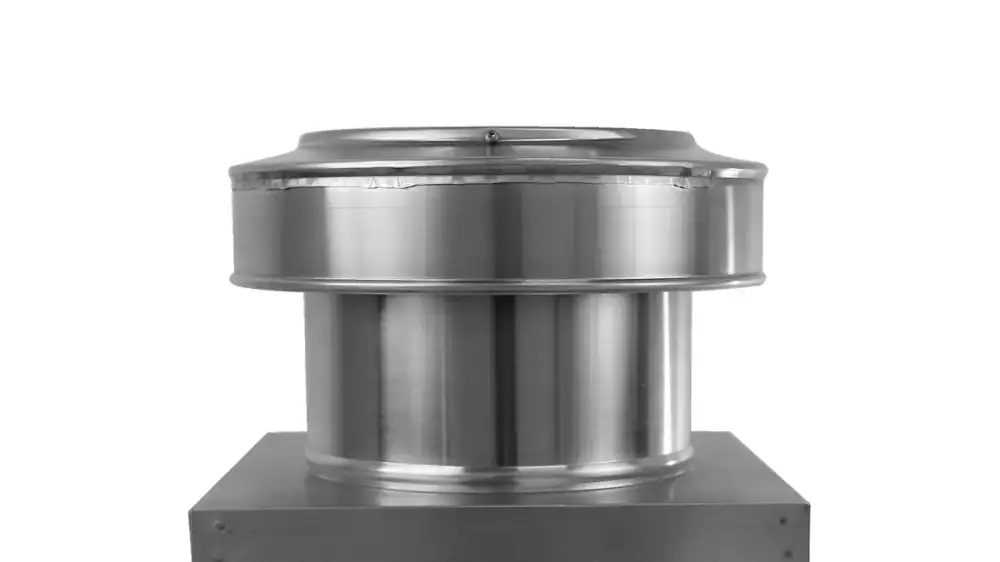
Roof Vents and Vent Covers Explained
Roof vents let the attic breathe, and their covers keep weather out while air keeps moving. Here are the common types, what covers do, and how to spot damage safely.