Chimney Waterproofing Basics
Masonry looks solid, but brick and mortar quietly soak up water like a sponge. Here's why that happens, what breathable sealers are meant to do, and why the work belongs to a professional.

Brick, mortar, and concrete are porous, so they draw in rain and moisture like a sponge — and a chimney, exposed on every side at the top of the house, absorbs more than most masonry. Breathable sealers are meant to slow that absorption while still letting the wall dry outward. But waterproofing only works on sound masonry and is skilled, roof-level work, so it belongs to a professional.
Tap a brick chimney and it feels like the most permanent thing on the house. Watch it during a long, driving rain and a different picture emerges: the face darkens, the color deepens, and water is disappearing into a material most people assume is watertight. It isn't. Understanding that gap between how masonry looks and how it actually behaves is the whole starting point for making sense of what waterproofing is — and, just as importantly, what it isn't. This is a general overview rather than a set of instructions.
The sponge hiding in plain sight
Brick, mortar, and concrete are riddled with microscopic pores and hairline channels. Put liquid water against that surface and capillary action pulls it inward, the same quiet physics that draws a spill up into a paper towel. No crack or defect is required. Perfectly sound, undamaged brick still drinks water simply because of how it is fired and how mortar cures.
A chimney turns that ordinary property into an ongoing problem. It stands at the highest, most exposed point of the roof, with no overhang to shelter it and, for most of its height, no wall pressed behind it. Rain and snow land on every face and on the top, so where the walls below get soaked on maybe one side at a time, a chimney is taking on water from several directions at once. That constant exposure is why chimneys, more than almost any other masonry on a home, end up with moisture stories to tell.
Absorbed water rarely just sits there and dries out politely. As it works through the masonry and the seasons cycle, it drives freeze-thaw damage — water that soaks in, freezes, and expands, gradually flaking the face of the brick in a process called spalling. It erodes mortar joints from within, loosening the structure. And as it passes through and evaporates at the surface, it can leave the chalky white bloom of efflorescence on a chimney behind as a visible calling card.
Breathable, not shrink-wrapped
Here is where the vocabulary matters. Waterproofing a chimney usually means treating the masonry with a product meant to cut how much liquid water it absorbs. The word that does the heavy lifting is breathable, and it separates a proper masonry treatment from the intuitive but wrong idea of simply sealing the surface shut.
A well-chosen breathable sealer is trying to do two things that sound contradictory but aren't:
- Turn away liquid water arriving from outside, so driving rain beads up and sheets off rather than soaking in.
- Let vapor keep escaping from inside, so whatever moisture is already in the wall can dry outward instead of being locked in.
That second job is the one people miss. Masonry always holds some moisture and needs a route to shed it. A film-forming coating that seals the face completely might block rain beautifully, but it also traps the vapor trying to leave — and cornered moisture tends to make freeze-thaw damage worse, not better. Choosing a product with the right permeability for a particular brick and mortar is a real judgment call, which is one of the plainer reasons this sits in professional hands rather than on a hardware-store shelf you pick from yourself.
Sealing is not repairing — the order matters
The most common misunderstanding about waterproofing is that a coat of sealer will stop a chimney that is already leaking. It won't, at least not by itself. A breathable treatment reduces absorption through masonry that is fundamentally sound. It does nothing about the openings that let water pour in wholesale — and those are almost always the real culprits behind an active leak.
| Issue | What it is | Why sealer alone won't fix it |
|---|---|---|
| Cracked crown | Split in the sloped top surface | Water enters through the gap directly |
| Failed flashing | Gapping metal at the roof joint | Leak path is at the joint, not the face |
| Missing or damaged cap | No cover over the flue | Rain falls straight into the flue |
| Crumbling mortar | Eroded joints | Needs repointing, not coating |
The sequence, then, runs one way only: find and fix the defects, confirm the masonry is genuinely sound, and only then does a professional consider whether a breathable treatment is even worthwhile. Sealing first would just lock the underlying problem in behind a fresh coat. If the individual parts are unfamiliar, what a chimney crown is and chimney flashing explained fill in the picture.
Reading the masonry from the driveway
You don't need to touch the chimney to know whether moisture is at work in it — and you shouldn't try. The whole assessment, and any treatment that follows, happens at the top of the house, which is exactly the place to leave to someone equipped for it. From the ground, with a pair of binoculars, you can gather almost everything a professional needs to hear about first.
Scan the exterior for the white powdery haze of efflorescence, for brick faces that look flaked or spalled, for mortar joints that are crumbling or gone, and for dark staining or damp patches that linger long after the rain stops. Moss or small plants taking hold on the masonry is another quiet sign that the surface stays wet. Inside, watch for staining near the chimney, a musty smell, or damp patches on the chimney wall.
Any of those observations is a cue to book a professional look rather than a bucket of sealer. A qualified chimney or masonry pro can judge whether the masonry needs repair before anything else, whether waterproofing is appropriate at all, and which breathable product suits your particular chimney. Spotting the signs and making the call is genuinely your job; the work up top is theirs. Keep the masonry on your radar with the exterior chimney maintenance checklist, and sharpen your eye with how to spot chimney problems from the ground.
Common questions
Why does chimney masonry absorb water?
Brick, mortar, and concrete are porous. They are full of tiny channels and pores that draw in water by capillary action, much like a sponge. Rain, snowmelt, and humidity all feed moisture into those pores. On a chimney, which stands fully exposed at the top of the house, that absorption happens on every side and from above, which is why chimneys are especially prone to moisture over time.
What is a breathable masonry sealer?
A breathable sealer is a treatment designed to reduce how much liquid water soaks into masonry while still letting water vapor escape from within. The idea is to keep driving rain out while allowing any moisture already in the wall to dry outward rather than being trapped. This vapor permeability is the key difference from film-forming coatings that seal the surface completely.
Why does breathability matter for a chimney?
Masonry naturally holds some moisture, and it needs a way to release it. A coating that traps vapor inside can lead to problems as that moisture has nowhere to go, especially through freeze-thaw cycles. A breathable product aims to slow water entry without sealing moisture in. Matching the right product to the specific masonry is a judgment call a professional is equipped to make.
Can I waterproof my chimney myself?
No. Waterproofing a chimney means working at the highest point of the house, and it requires the masonry to be sound and properly prepared first — cracks, failing mortar, and a compromised crown all need addressing before any sealer goes on. Choosing and applying the correct breathable product is skilled work. Spotting the need is a homeowner job; the application belongs to a qualified professional.
Does waterproofing fix a leaking chimney?
Not on its own. A sealer reduces absorption through sound masonry, but it does not repair cracks, failed flashing, a damaged crown, or a missing cap — all of which are common leak sources. If water is already getting in, those underlying issues have to be found and corrected first. A professional can determine whether waterproofing is even the right step or whether repairs come first.
What is efflorescence and does it relate to waterproofing?
Efflorescence is the white, powdery deposit that appears on masonry when water moves through it, dissolves salts, and evaporates at the surface leaving those salts behind. It is a visible sign that moisture is passing through the brick. Because it points to water movement, efflorescence is often part of the same conversation as waterproofing, though the underlying moisture path still needs to be diagnosed.
How often does chimney waterproofing need renewing?
There is no single answer, because it depends on the product used, the masonry, the climate, and how exposed the chimney is. A treatment is not permanent, and it never removes the need for ongoing inspection. Rather than track a fixed interval yourself, note the condition of the masonry during your ground-level checks and let a professional advise on whether and when re-treatment makes sense.
You might also like
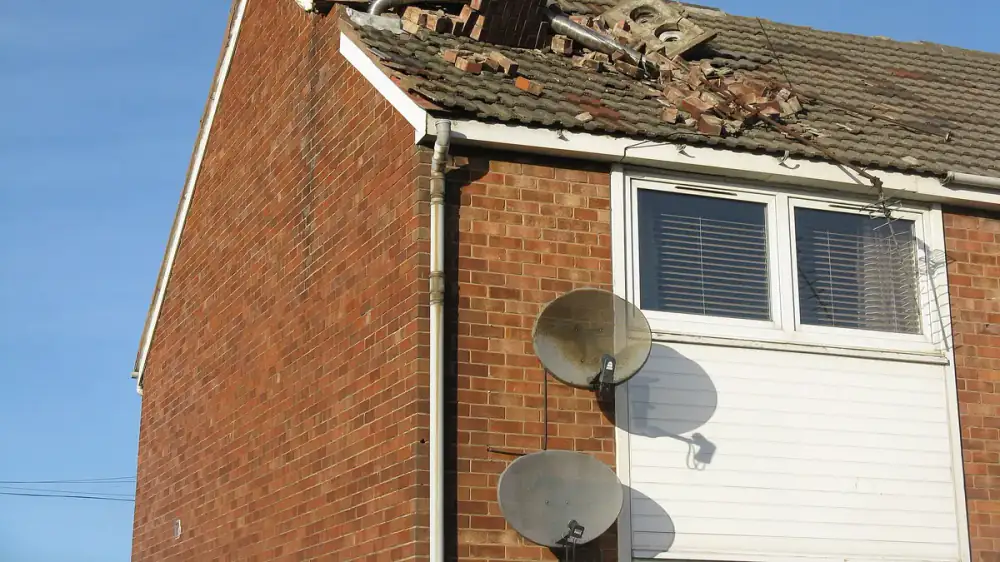
Chimney Storm Damage: What to Check
Storms dislodge caps, crack crowns, and lift flashing. Here's a ground-level, post-storm chimney check — what to look for, what to do, and when to call a pro.
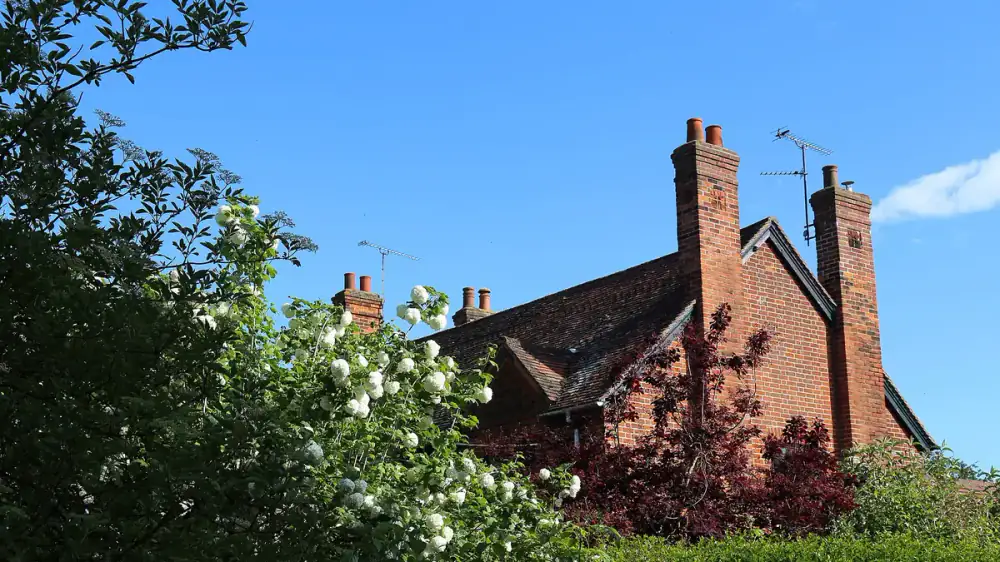
Seasonal Chimney Inspection From the Ground
A short binocular check each season catches most chimney trouble early. Here's what to look for from the ground, a simple cadence, and when to book a pro sweep.
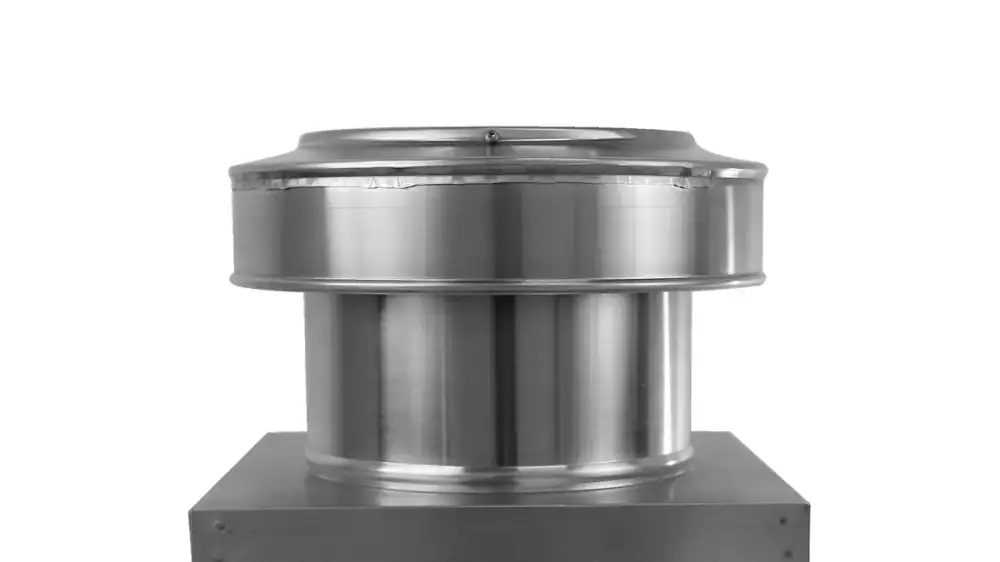
Roof Vents and Vent Covers Explained
Roof vents let the attic breathe, and their covers keep weather out while air keeps moving. Here are the common types, what covers do, and how to spot damage safely.