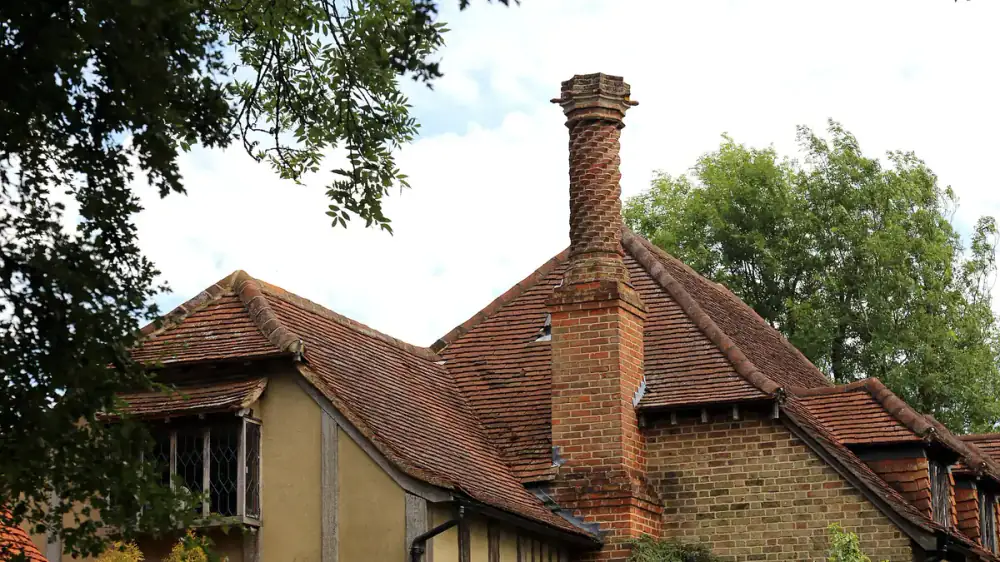
Chimney
How Water Gets in Around a Chimney
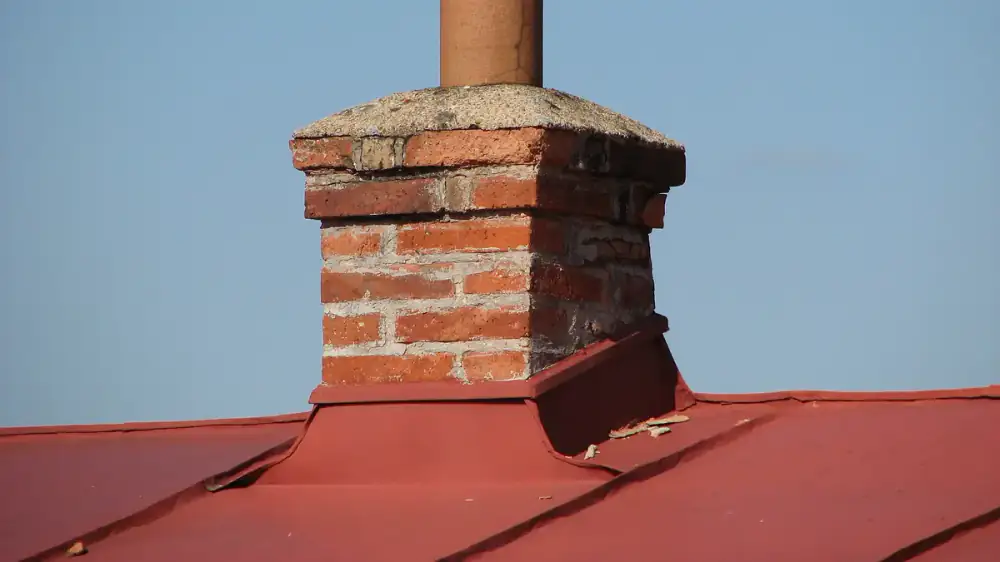
Chimney water usually enters at one of four points: a missing cap, cracked crown, failed flashing, or porous masonry. Here's how to tell which path is letting it in.
Category · Page 2 of 5
Chimney water usually enters at one of four points: a missing cap, cracked crown, failed flashing, or porous masonry. Here's how to tell which path is letting it in.
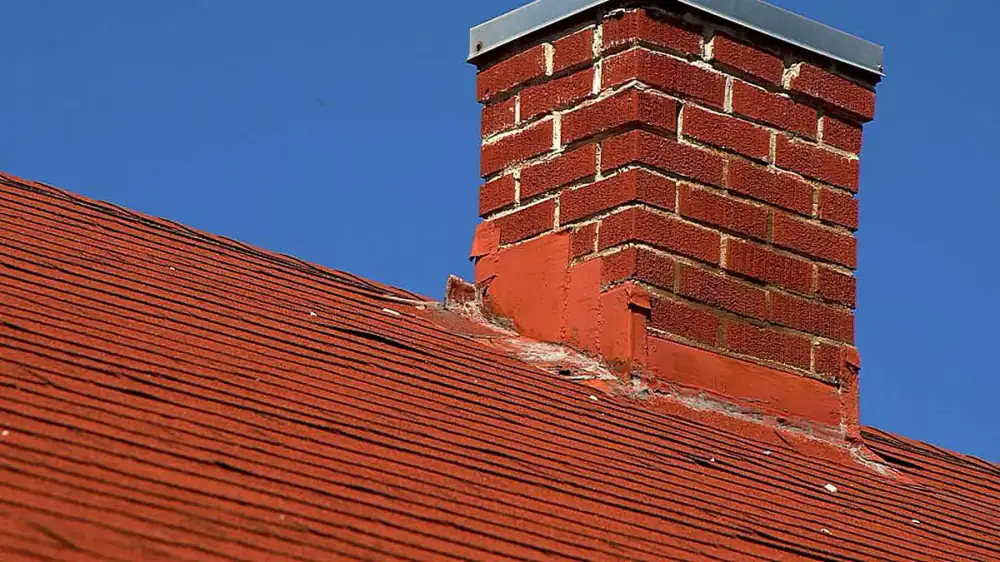
Flashing seals the seam where the chimney meets the roof — and it's a frequent leak point. Here's what it is, how it fails, and the ground-level signs to watch for.
The chimney crown is the masonry slab that caps the chimney and sheds rain. Learn its job, how it cracks and fails, and how it works with the cap and flashing.
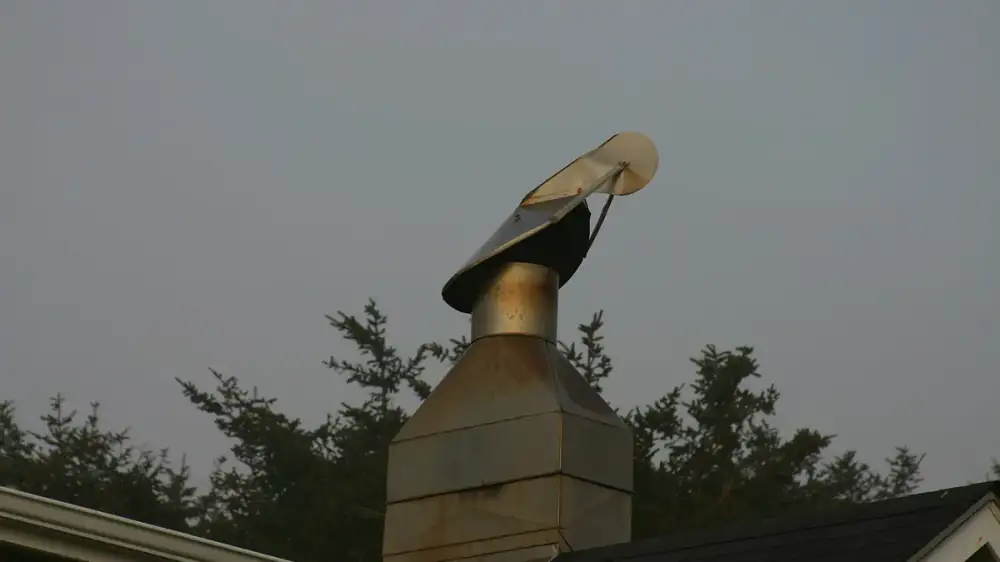
Single-flue, multi-flue, top-mount, and band-around caps each suit a different chimney. Here's how the common types and materials compare — and which fits your top.
Mesh guards and screens keep birds, squirrels, and other animals out of chimneys and roof vents — best installed and cleared through humane, professional exclusion.
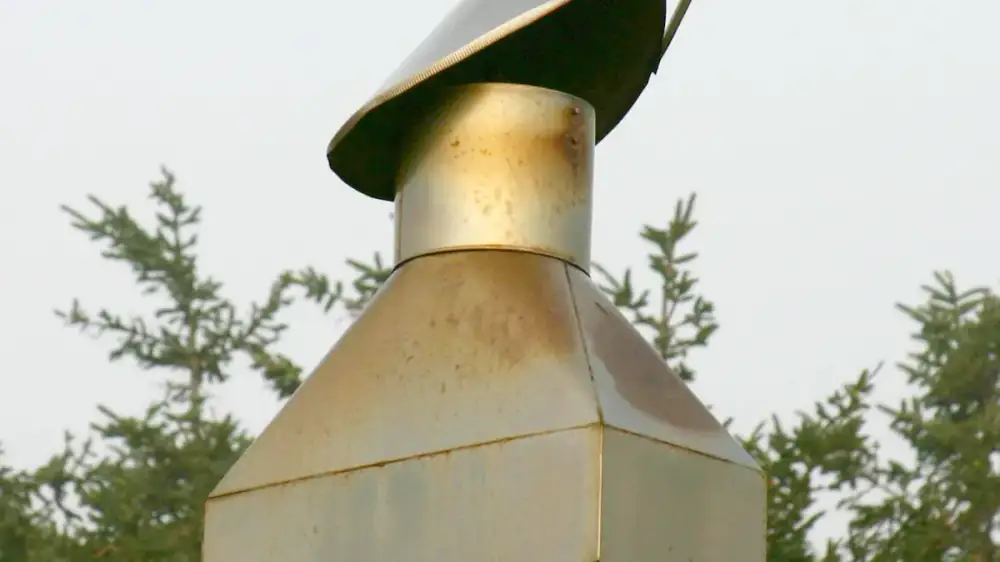
Cap and cowl are closely related terms for a chimney-top cover. The words often overlap, but each leans toward slightly different functions and traditions.
Creosote is the flammable, tar-like residue left inside a flue by burning wood. It builds up over time and is why a professional chimney sweep matters.
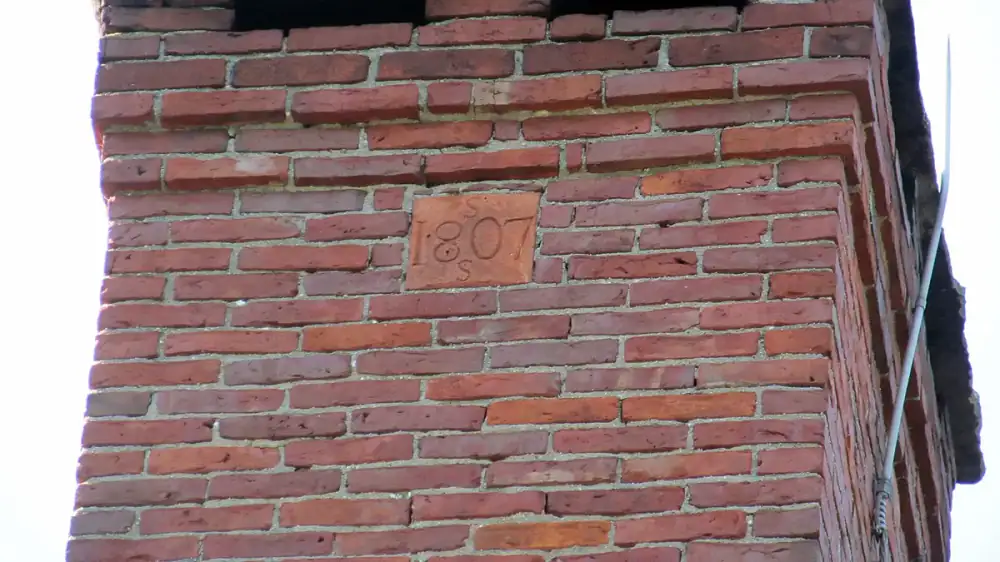
A masonry chimney is built from brick or stone; a prefab chase is a framed, sided box around a factory flue. They age and are maintained differently.
A cricket, or saddle, is a peaked structure behind a wide chimney that splits water and sends it around the masonry instead of pooling against it.