Chimney
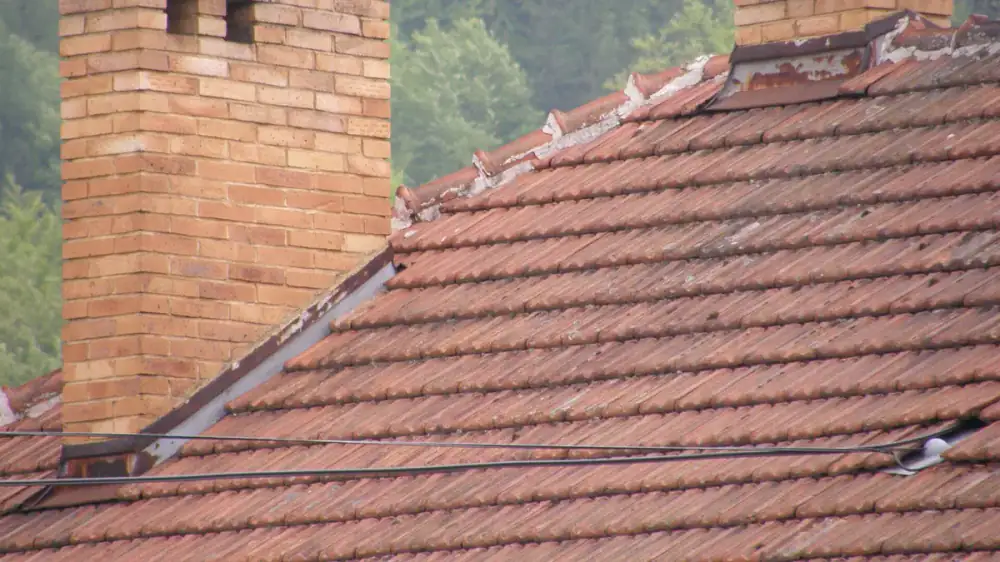
How to Spot Chimney Problems From the Ground
A safe, repeatable way to inspect your chimney with binoculars from the ground — catching cracks, rust, leaning, and staining before they worsen.
Category · Page 4 of 5
A safe, repeatable way to inspect your chimney with binoculars from the ground — catching cracks, rust, leaning, and staining before they worsen.
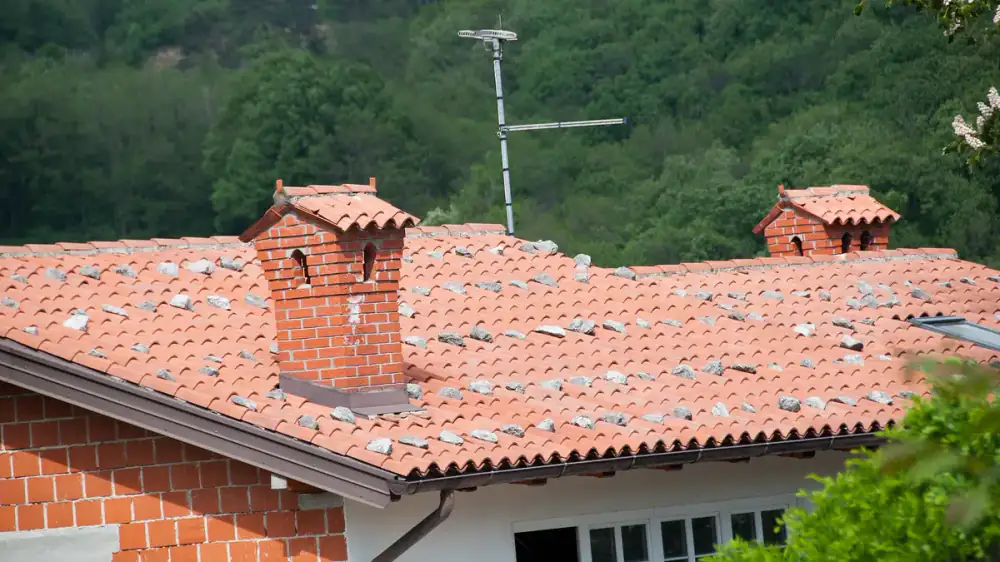
A chimney pot is the tube at the top of the flue that aids draft and sheds weather — best inspected from the ground with binoculars.
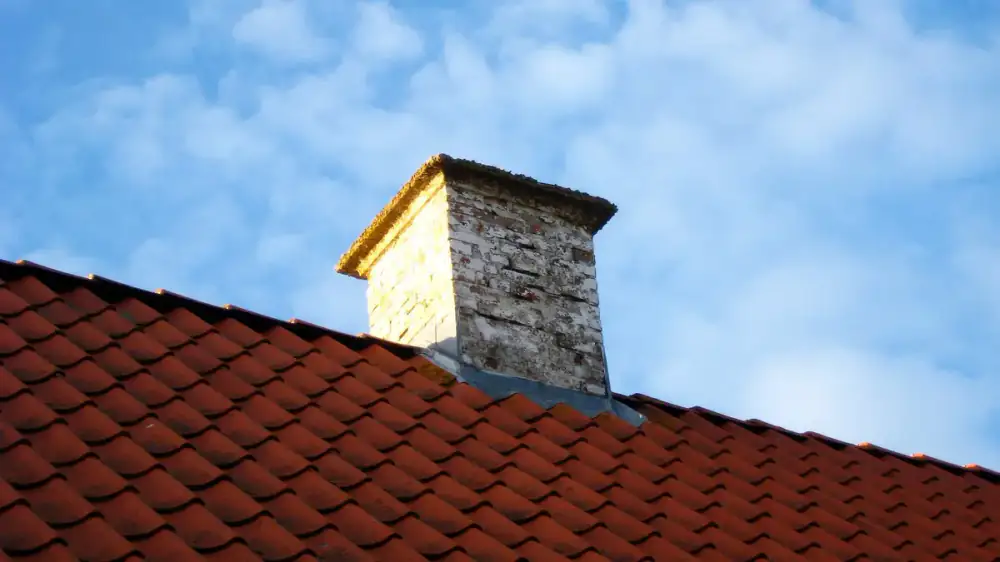
Water, freezing, and sun wear a chimney down slowly, each leaving its own mark. Here's how masonry ages and what the early signs look like from the ground.
A chimney you never light still needs care — weather works on masonry regardless. Here's what changes, and what doesn't, when there's no fire below.
What you're actually buying when you book a chimney inspection — the general levels, what gets examined, and how to tell a thorough one from a glance.
A chimney shows some of its problems from the yard and hides the rest inside. Here's the honest line between what you can catch and what needs an inspection.
The chimney is the biggest hole a roof has to seal around, which is why so many leaks that look like a roof problem actually begin at the chimney.
Chimney work is high and hard to verify, so choosing the right professional matters — here's how to vet one honestly, with no brand names.
Chimney repair cost is driven by access, scope, materials, and severity — understanding the factors lets you read a quote instead of guessing at numbers.